
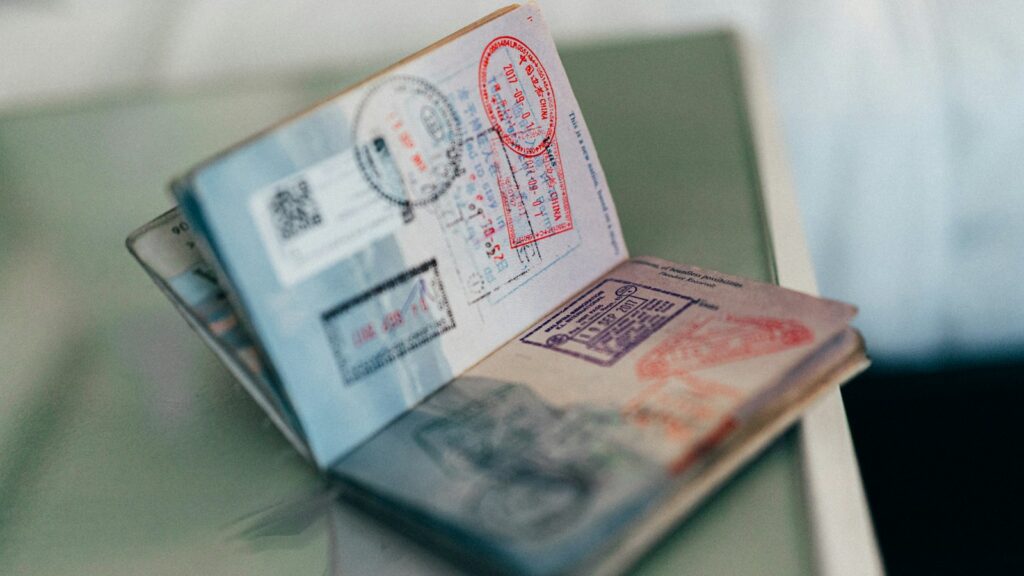
Forgetting a phone charger is annoying. Turning up at the airport with a passport that is not accepted for your destination, or without a required travel authorisation, can end the trip before it starts. Documents are the one part of packing that cannot be fixed by a quick visit to a shop on arrival, which is why they deserve their own check, weeks rather than hours before departure.
Why documents need a timeline
Most packing can be done in the final week. Documents are different, because some of them depend on someone else. Renewing a passport, applying for a visa or requesting an electronic travel authorisation all involve processing times you do not control. Starting early gives you room to fix a problem without paying for urgent services or changing your plans.
A simple way to manage this is to work backwards from your departure date in stages, similar to a countdown.
Eight weeks or more before departure
Passport validity and condition
Find your passport and check three things: the expiry date, the number of blank pages and its physical condition. Many countries require your passport to remain valid for a period beyond your planned stay, and some require a minimum number of blank pages for stamps. The exact requirements vary, so look them up for every country on your route, including any you only transit through.
A damaged passport, such as one with water damage, a loose cover or torn pages, may be refused even if it is still in date. If yours looks worn, ask the issuing authority whether it needs replacing.
Visas and travel authorisations
Depending on your nationality and destination, you may need a visa, an electronic travel authorisation or nothing at all. Check the requirement on the destination’s official government website and apply only through official channels. Be cautious with third-party websites that charge extra fees for submitting forms you could complete yourself.
Four weeks before departure
- Travel insurance: arrange it if you plan to have it, and save the policy number and emergency contact line.
- Health documents: check whether your destination asks for any vaccination certificates or health declarations, using official government or public-health sources.
- Driving: if you plan to rent a car, check whether an international driving permit is required alongside your licence, and that your licence will be valid for the whole trip.
- Travelling with children: some countries and airlines ask for extra documents when a minor travels with one parent or with another adult, such as a consent letter. Check the requirements well ahead.
- Payment cards: confirm that your cards will work abroad and note the numbers to call if one is lost.
One week before departure
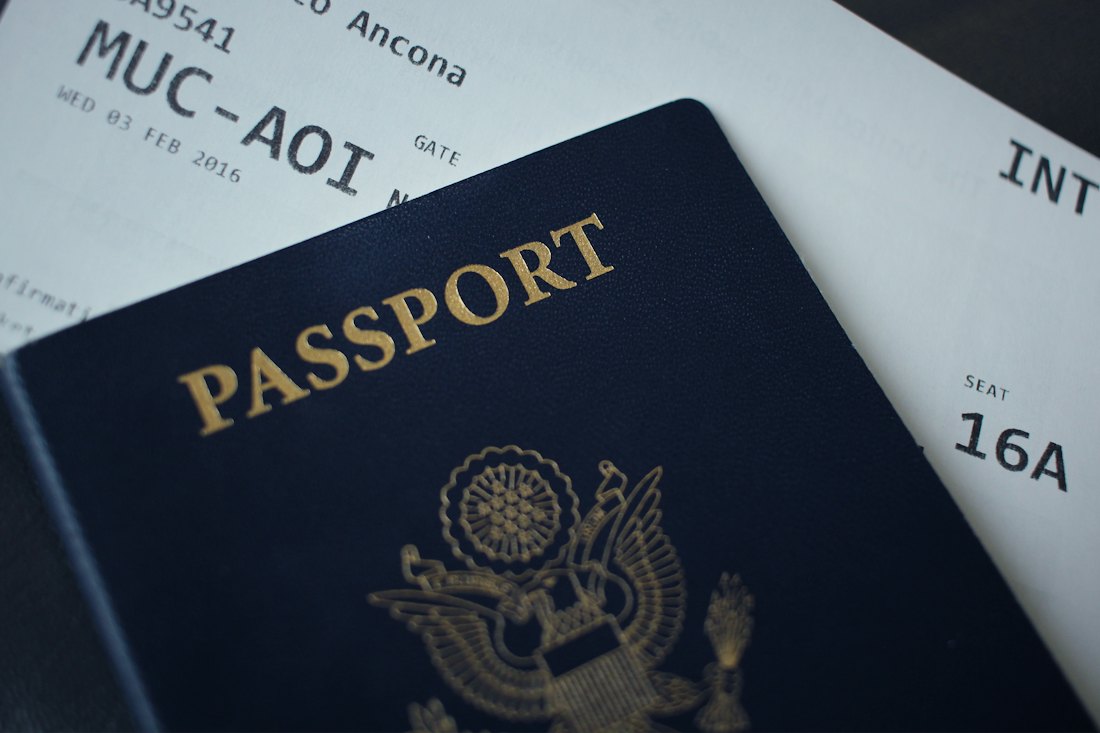
This is the moment to gather everything into one place. A practical document pack includes:
- Passport or national ID card, depending on what your route accepts
- Visa or travel authorisation confirmation, printed and saved offline
- Flight, rail or ferry bookings
- Accommodation confirmations with the address in the local language if possible
- Travel insurance details
- Driving licence and permit, if needed
- Any health documents or prescriptions you may need to show
Make a copy of the photo page of your passport and of the key bookings. Store one set digitally in a secure place you can reach without mobile data, and keep a paper set separate from the originals. If you lose your passport abroad, a copy can make it easier to get help from your embassy or consulate.
The day before you fly
- Complete online check-in if your airline offers it and save the boarding pass.
- Re-check your airline’s travel information page for any document requirements flagged for your route.
- Put your passport and boarding pass in the same pocket of your personal item.
- Tell someone at home your itinerary and where your document copies are stored.
Where to check the rules
When information conflicts, rely on the most official source you can find. In practice that means your own government’s foreign travel advice, the destination government’s immigration website, and the embassy or consulate of the country you are visiting. Your airline’s travel requirements page is also worth reading, since the airline can refuse boarding if documents do not meet the destination’s rules. Forums and social media can be helpful for practical tips, but treat them as a starting point rather than the final word.
Once your documents are sorted, you can fold them into the rest of your trip list. If you would like a browser-based way to do that, PackChecklist.com is a web app with 60+ items that you can pre-check while planning and mark as packed on the day, with no install required.
Takeaway: check passports and entry requirements at least eight weeks out, gather and copy every document a week before, and confirm the details with official sources rather than memory.

