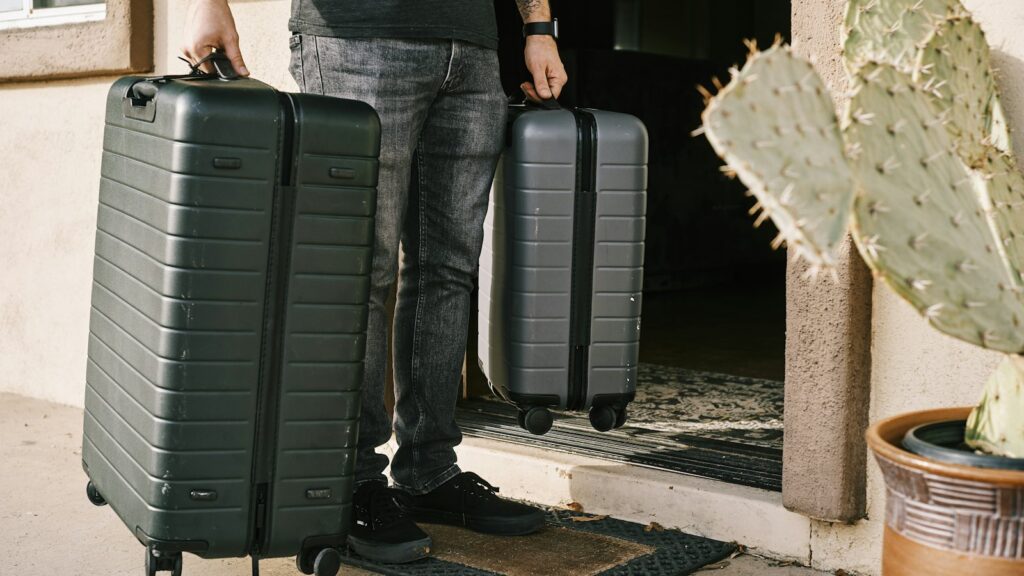
Three days away for work sounds like an easy carry-on trip, yet it is exactly the kind of journey where people end up checking a bag “just in case”. A meeting outfit, something for dinner, a laptop, chargers, a toiletry kit and a pair of shoes too many, and suddenly the cabin bag will not close. The good news is that a short business trip is one of the most predictable trips you will ever pack for. You know the agenda, you know the dress code and you know how many nights you will be away. That makes it ideal for a simple, repeatable system.
Start with the calendar, not the wardrobe
Before you open the suitcase, open your schedule. Write down every block of the trip: travel day, meeting days, evenings and the journey home. Next to each block, note what you will actually be doing and how formal it is. A client presentation needs something different from a team dinner or an evening walk around the city.
This short exercise does two things. It stops you packing for situations that will not happen, and it shows you which items can do double duty. If the travel day and the final afternoon are both relaxed, the same trousers and jacket can cover both.
A three-day capsule that fits in a cabin bag
A capsule wardrobe is a small set of clothes that all work together. Pick one neutral base colour, such as navy, grey or black, and build around it. A practical starting point for three days of mostly indoor work looks like this:
- One jacket or blazer, worn on the plane rather than packed
- Two pairs of trousers or skirts in the base colour, one worn while travelling
- Three tops or shirts that all match both bottoms
- One light layer, such as a fine knit, for cold meeting rooms and air-conditioned cabins
- Underwear and socks for each day, plus one spare set
- Something comfortable to sleep in that can double as hotel-gym or lounge wear
If your company dress code is relaxed, swap the blazer for an overshirt and keep the rest. The principle stays the same: every top should go with every bottom, so you never need a “special” item for a single occasion.
Fold, roll or use packing cubes?
Rolling works well for knitwear, T-shirts and sleepwear. Shirts and trousers that need to look sharp usually travel better folded flat, ideally interleaved so the folds fall in different places. Packing cubes are worth considering if you like to keep clean and worn clothes apart. They also make security checks easier, because you can lift out a block rather than unpacking everything.
Shoes are the real space problem
Clothes squash down; shoes do not. On a short trip, aim for two pairs at most: the pair you wear while travelling and one more for the moments the first pair cannot handle. If you can find one smart, comfortable pair that works for both meetings and walking, you may only need a single pair.
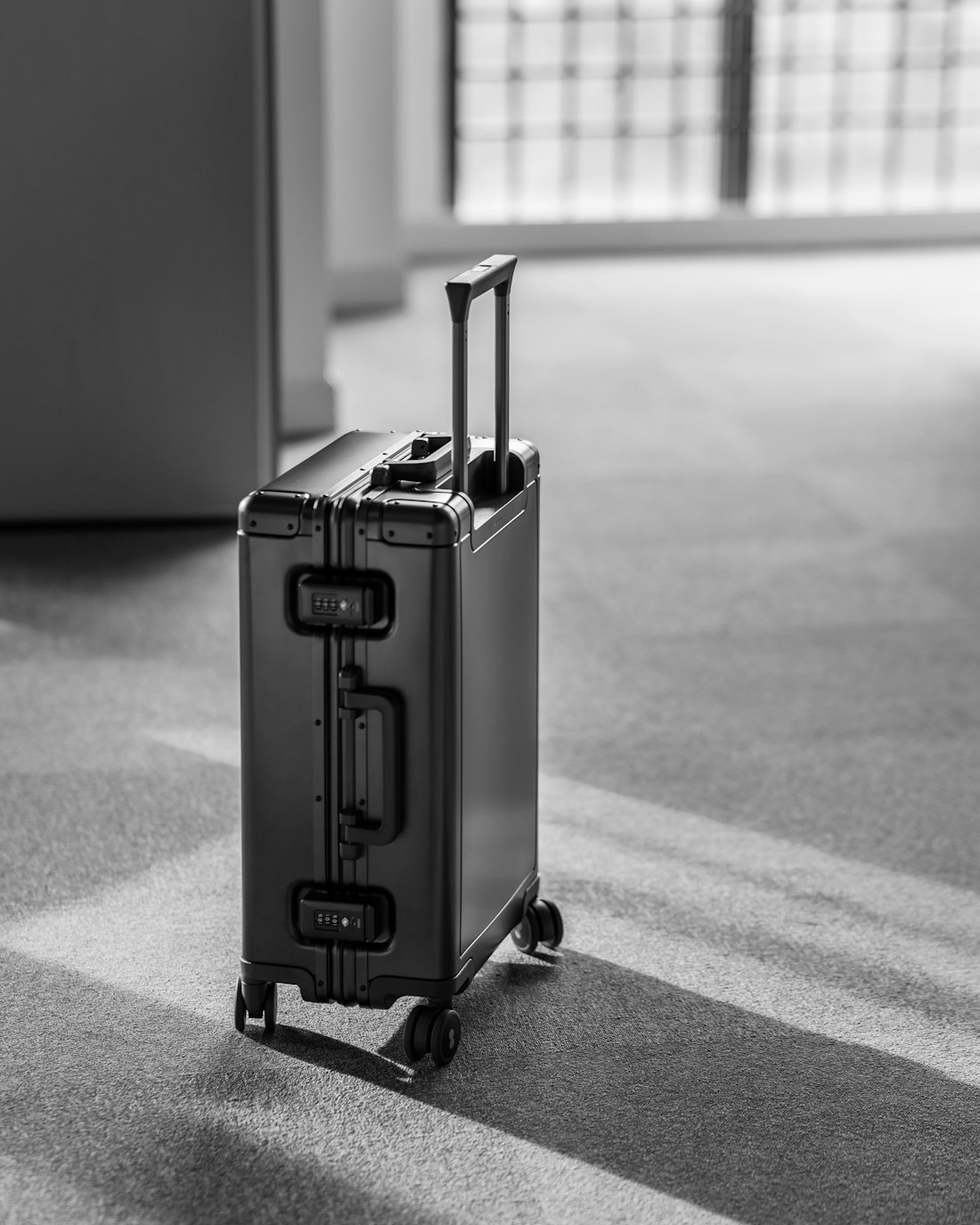
Pack the second pair heel-to-toe along the base of the bag, near the wheels, and fill them with socks or chargers. That uses dead space and keeps the heaviest items low, so the bag stands upright when you let go of the handle.
Toiletries and liquids
Liquid rules for cabin baggage vary between airports and countries, and some airports have changed their screening rules in recent years. Check the current guidance from your departure airport and airline before you pack, rather than relying on what applied on your last trip.
Whatever the rules, a short trip rarely needs full-size bottles. Decant what you need into small, refillable containers, or switch to solid alternatives such as bar soap, solid shampoo or a stick deodorant. Keep the liquids bag at the top of the cabin bag so you can lift it out quickly if your airport asks you to.
The work kit
For a business trip, the tech and paperwork are what really cannot be forgotten. A compact kit usually covers:
- Laptop and its charger, plus a phone charger and cable
- A travel adapter if you are crossing into a country with different sockets
- Headphones for calls and for the flight
- Any presentation clicker, dongle or adapter cable you rely on
- A small notebook and pen for meetings where screens are not welcome
- Printed or saved copies of the agenda, hotel booking and travel details
Keep the laptop and liquids where you can reach them without digging, as many airports ask you to take them out at security.
Packing order: heavy, flat, then fragile
- Base layer: shoes and heavier items along the wheel end.
- Middle: folded trousers and shirts, laid as flat as possible.
- Gaps: rolled knitwear, sleepwear, socks and underwear.
- Top: the liquids bag, a light layer and anything you will need on arrival.
- Personal item: laptop, documents, chargers, medication and valuables.
The night-before check
The last step is the one most people skip. Lay out what you will wear tomorrow, then run through a short list: ID or passport, phone, wallet, keys, laptop, chargers, medication, and the confirmation for your first booking. Ticking it off in writing, rather than from memory, is what turns a rushed morning into a calm one.
If you like the idea of keeping that list somewhere reusable, a browser-based tool such as PackChecklist.com lets you build a trip from a library of 60+ items and tick each one off in two stages, first as pre-checked and then as packed, without installing anything.
Takeaway: pack from your schedule, keep every top compatible with every bottom, limit yourself to two pairs of shoes and finish with a written check the night before.