Packing for a family trip is a different job from packing for yourself. You are planning for several people with different routines, sizes and needs, and the consequences of forgetting something are bigger when a tired child is involved. The secret is not to pack more, but to pack in a more organised way, so everyone’s essentials are easy to find on the journey and at the destination.
Start with one master list
Instead of a separate list for each person in your head, keep one master list split into sections: shared items, each adult, each child and the journey itself. It makes gaps easier to spot, and it can be reused and adjusted for every future trip.
A shared list also helps when two adults are packing. Each person can take a section, and nothing gets packed twice or not at all.
Packing cubes by person
Packing cubes or zip bags in different colours are one of the simplest ways to keep a family suitcase under control. Give each person their own colour. At the destination, each cube goes straight into a drawer or stays in the case as a mini wardrobe, and children can find their own clothes.
- One cube per person for clothes
- One shared cube for sleepwear, so bedtime is quick on the first night
- One bag for swimwear and beach items, if relevant
- One bag for dirty laundry on the way home
What children need for the journey
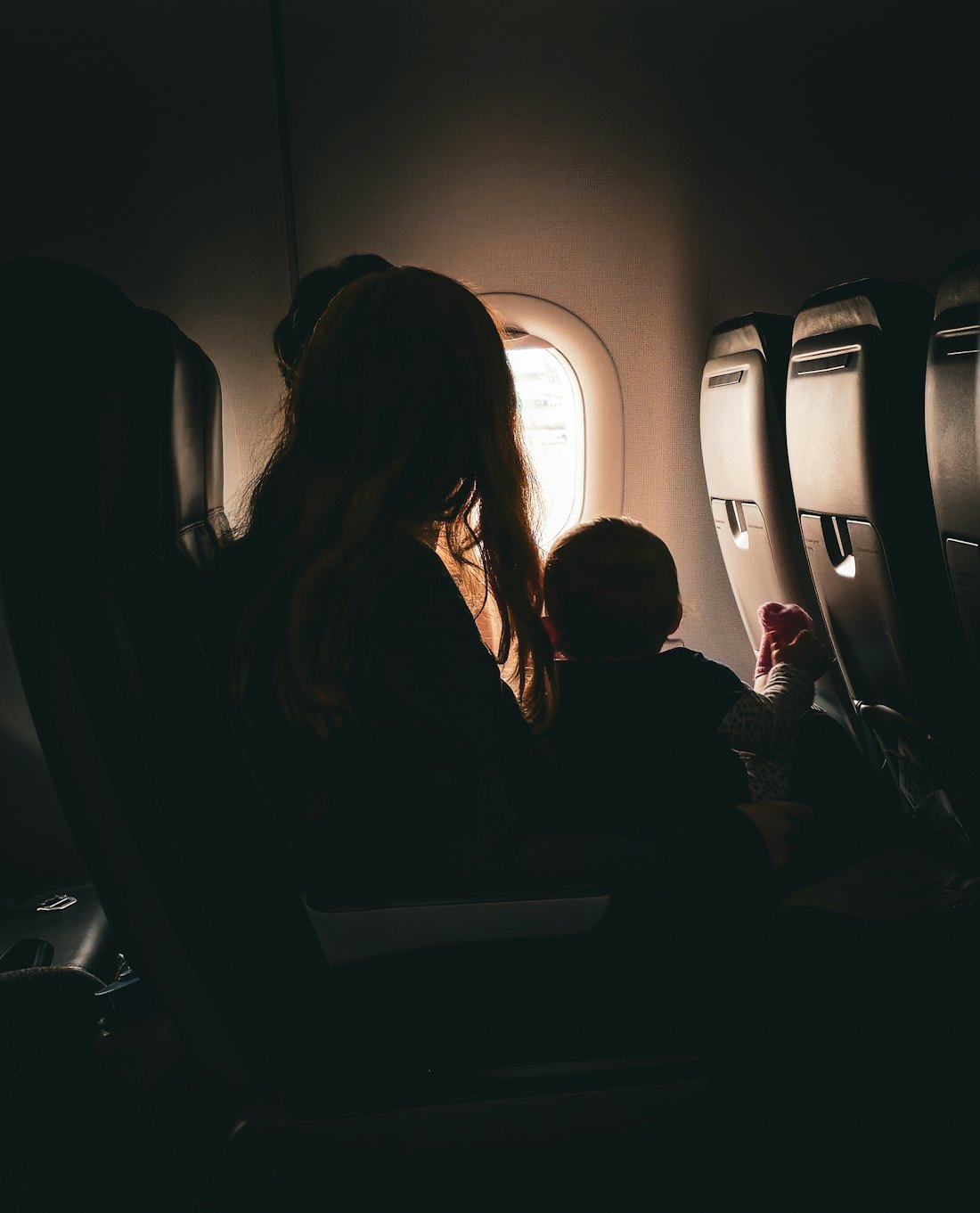
The journey is where planning pays off most. Pack a separate bag for each child, or one shared family bag, with everything you need from front door to arrival.
- A full change of clothes for each young child, and a spare top for adults
- Snacks you know they will eat, packed in small portions
- An empty water bottle for each person, to fill after security
- Wipes, tissues and a few small bags for rubbish
- A comfort item, such as a favourite toy or blanket
- Quiet activities: books, stickers, colouring or downloaded shows
- Child-sized headphones if they will use a device
- Any medication and the documents you need for it
Rules for baby food, milk and formula in cabin baggage are usually different from the general liquid rules, but they vary by airport. Check the guidance for each airport on your route before you travel.
Documents for everyone
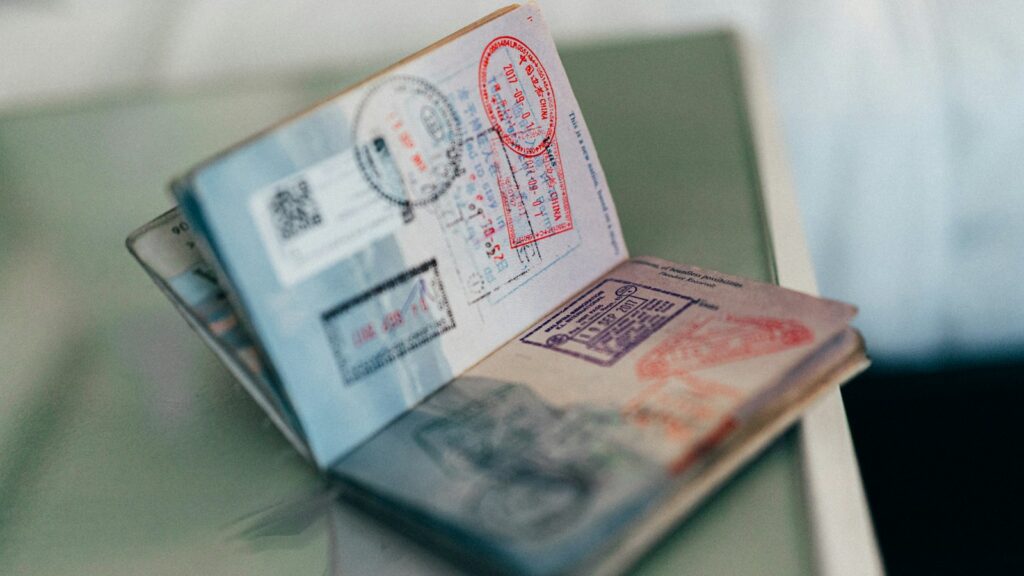
Every traveller, including babies, normally needs their own travel document for international trips. Check passport validity and any visa or entry requirements for each family member well in advance. If children are travelling with only one parent or with other relatives, some countries may ask for additional paperwork, so check official sources for your destination.
Keep all documents together in one travel wallet held by one adult, with photos or copies stored separately.
Let children help
Older children often enjoy packing their own day bag from a short checklist. It gives them a sense of ownership and makes it more likely they will look after their things. Check the bag afterwards, but let them choose their books and activities within limits.
What to leave at home
Many family items can be rented, borrowed or bought at your destination. Before packing bulky equipment, check whether your accommodation can provide a cot or high chair, and whether you could buy nappies, sun cream and toiletries on arrival.
A family packing timeline
- Two weeks before: check documents, baggage allowances and any equipment you need to arrange.
- One week before: wash and lay out clothes, and update the master list.
- Two days before: pack the suitcases using cubes for each person.
- The night before: pack the journey bags and charge every device.
If several people are working from the same plan, a shared checklist helps. PackChecklist.com is a web app for building trip lists from a library of common items, so you can create a family list once and reuse it for the next holiday.
Takeaway: one master list, one colour of packing cube per person and a well-stocked journey bag make family trips far calmer for everyone.