The liquids bag is the part of carry-on packing that causes the most confusion. Rules that seemed fixed for years have started to change at some airports, while others still apply the familiar limits. Add the question of what actually counts as a liquid, and it is easy to see why so many toothpaste tubes end up in airport bins. This explainer walks through how to approach liquids calmly, whatever the rules at your airport.
Why the rules feel inconsistent
Security screening is set by national authorities and individual airports, not by airlines. For a long time, many airports used a similar approach: small containers up to a set size, all fitting inside one clear, resealable bag, taken out of your cabin bag at security. Some airports have since introduced newer scanners and adjusted their rules, and the changes have not happened everywhere at the same pace.
The practical result is that the rules can differ between your outbound and return airports, and even between terminals. That is why the most useful habit is to check the current guidance for each airport on your itinerary shortly before you travel.
What counts as a liquid?
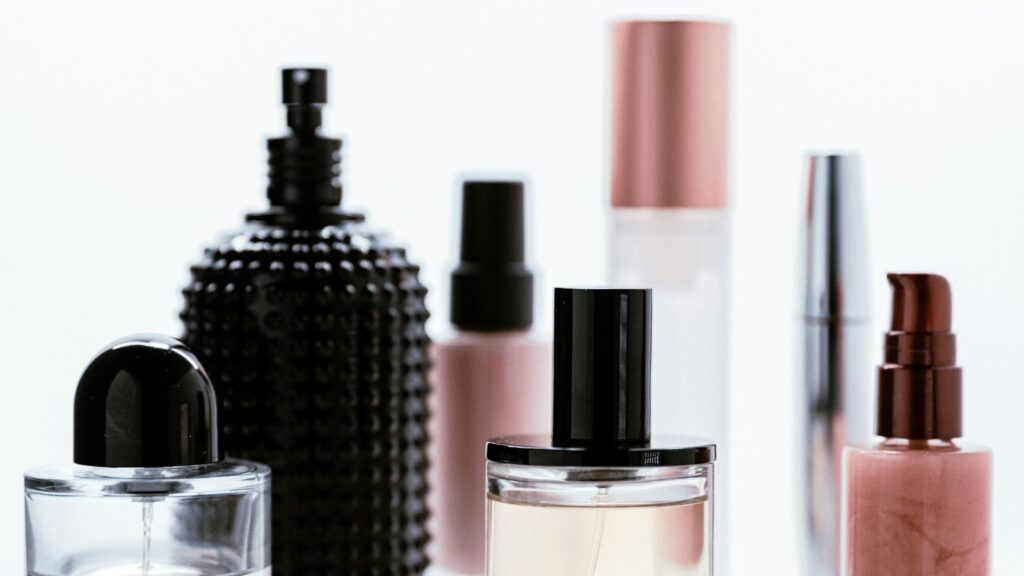
The category is wider than most people expect. As a rule of thumb, if something can be poured, pumped, squeezed, spread or sprayed, treat it as a liquid for security purposes. That usually includes:
- Drinks, soups and sauces
- Shampoo, conditioner, shower gel and liquid soap
- Toothpaste, creams, lotions and sunscreen
- Gels, including hair gel and gel deodorant
- Sprays and aerosols, such as dry shampoo or perfume
- Soft foods like yoghurt, jam, honey and spreads
- Mascara and liquid or cream make-up
Medication and baby food are usually treated differently, with allowances for what you need during the journey. You may be asked to show them separately, so pack them where you can reach them and check the airport’s guidance in advance.
How to build a liquids bag that works
Start with what you really use
Before decanting anything, write down the toiletries you actually use each day. Many people pack a bathroom’s worth of products and use three or four of them. A short trip rarely needs more than a cleanser, a moisturiser, toothpaste and perhaps sunscreen.
Decant into small, labelled containers
Refillable travel bottles let you carry exactly the amount you need. Choose containers with secure lids, label each one, and fill them only about three-quarters full so they do not leak when cabin pressure changes. Squeezable silicone bottles are easy to refill and to empty.
Switch to solids where you can
Truly solid products are generally not treated as liquids, although screening staff always have the final say, and they tend to take up less space. Bar soap, solid shampoo and conditioner, stick deodorant and toothpaste tablets are all widely available. Even swapping two items can free up space in a crowded bag.
Packing the bag itself
- Use a clear, resealable bag of the size your airport specifies, or a reusable equivalent.
- Stand bottles upright and pack the most leak-prone items in their own small pouch.
- Seal it and test it: if the bag does not close easily, remove an item.
- Pack it last and on top of your cabin bag, so you can lift it out without unpacking.
What to do with everything else
If you have larger bottles you cannot do without, you have three options: put them in a checked bag, buy them after security or at your destination, or use the hotel’s supplies. For full-size items in checked luggage, place them in a sealed bag and wrap them in clothing to reduce the risk of leaks.
On the way home, remember that any duty-free liquids may have their own packaging rules, especially if you have a connecting flight. Keep receipts and sealed bags intact until you reach your final destination.
Takeaway: treat anything pourable, squeezable or sprayable as a liquid, switch to solids where you can, and check the current rules for every airport where you will pass through security.