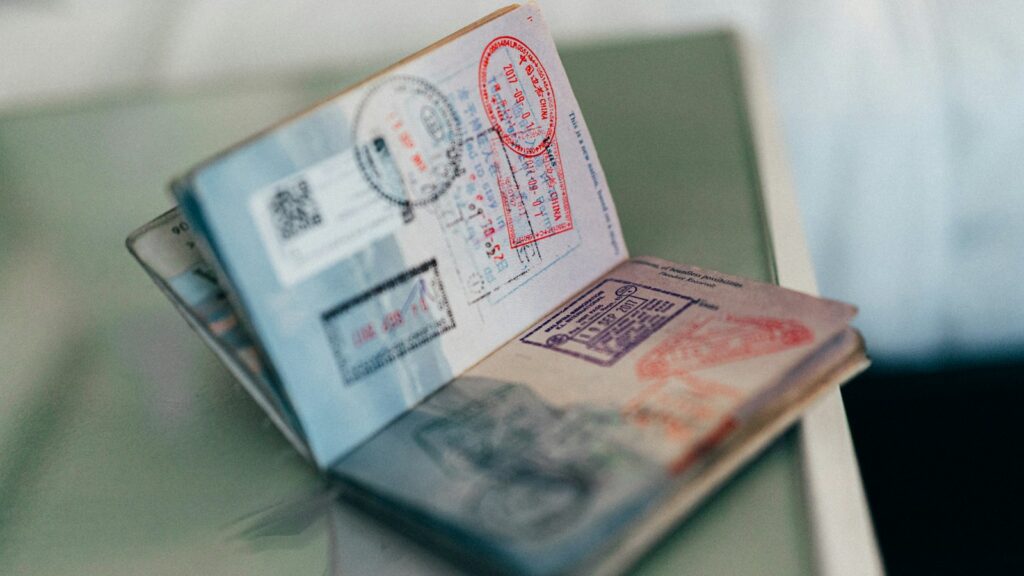
An overnight flight can be the most efficient way to travel: you leave in the evening and arrive in the morning, ready to start the day. In practice, how you feel on arrival depends a lot on what you have within reach once the cabin lights go down. This guide focuses on the small comfort kit that turns a long night in a seat into something much more manageable.
Think in three stages
An overnight flight has three distinct phases, and each one calls for different items:
- Settling in: boarding, take-off and the meal service.
- The night: the long, dark hours when you hope to rest.
- Arrival: the hour before landing, when you want to feel presentable and ready.
Packing a small pouch for each stage, or at least ordering items in that sequence, means you are not rummaging in the overhead locker at two in the morning.
What to wear
Comfortable clothing is the foundation of a good overnight flight. Choose soft, breathable fabrics with a little stretch and avoid anything tight at the waist. Layers work best, because cabin temperatures can change during the flight.
- Loose trousers or leggings and a soft top
- A warm layer, such as a cardigan, hoodie or light jumper
- Comfortable socks, and a spare pair for later in the flight
- Shoes that are easy to slip off and on
The rest kit
These are the items that help you switch off. Pack them together so you can reach them as soon as the meal service is over.
- Eye mask: cabin lights, screens and window shades all let in light.
- Earplugs or noise-reducing headphones: engine noise and conversation can make resting difficult.
- Travel pillow: choose a shape that suits how you like to sit, and test it at home first.
- Light scarf or wrap: useful as an extra layer or a makeshift blanket.
Some airlines provide blankets, pillows or amenity kits on long-haul routes, but the contents vary. Bringing your own basics means you are not relying on what is offered.
The refresh kit
Cabin air is dry, and a few small items can make you feel noticeably more comfortable. Keep them in a clear bag that follows your airport’s liquid rules.
- Lip balm and a small moisturiser
- Toothbrush and a travel-size toothpaste
- Face wipes or a small cleanser
- Deodorant
- Any eye drops or contact lens supplies you normally use
Drink water regularly during the flight. Carry an empty bottle through security, fill it up afterwards and ask the crew for refills.
Food and entertainment
Meal times on overnight flights do not always match your body clock. A small snack you enjoy means you can eat when you are hungry rather than when the trolley arrives. Download films, podcasts or audiobooks before you leave home, and do not forget headphones that work with the in-flight system if you plan to use it.
Arrival: the morning-after kit
About an hour before landing, the cabin lights come back on and it is time to get ready for the day. A clean top or a fresh pair of socks can make a surprising difference, especially if you are going straight to a meeting or sightseeing. Check that your passport, phone, charger and any arrival documents are back in an easy-to-reach pocket before you leave your seat.
Choosing a seat for the night
If your fare lets you choose a seat, think about how you like to rest. A window seat gives you something to lean against and means nobody needs to climb past you during the night. An aisle seat makes it easier to stand up and stretch or reach the overhead locker without disturbing anyone. Seats near the galleys and toilets can be busier and brighter, so many travellers prefer to avoid them on night flights. Whichever you choose, set out your rest kit before the lights go down.
Where to keep everything
Use your personal item, the bag under the seat in front of you, for everything you might need during the night. The overhead locker is for items you will not touch until arrival. That way, you are not disturbing neighbours or waiting for the seatbelt sign to switch off.
Takeaway: dress in soft layers, keep a rest kit and a refresh kit within reach, and pack a small morning-after kit so you step off the plane ready for the day.